Buzz Bingo Owner ICG Seeks Strategic Sale Through Oakvale Capital Appointment
Written by Henrik Bennett · Oct 13, 2026

Buzz Bingo Owner ICG Seeks Strategic Sale Through Oakvale Capital Appointment
ICG, the private equity firm that owns Buzz Bingo, has brought in Oakvale Capital to review options for a potential sale while also pursuing fresh investment to support expansion, and this move comes as the UK bingo sector faces uncertainty over possible tax changes in the upcoming Budget.
Appointment Details and Strategic Context
Observers note that Oakvale Capital will handle the process of identifying buyers or investors interested in the UK's largest bingo operator, which runs more than 75 clubs and employs over 2,000 people across its retail network, while ICG continues to hold the business during this review period. The appointment reflects standard practice for private equity owners looking to exit or recapitalize assets after a period of ownership, and industry analysts have tracked similar moves in the leisure sector when regulatory pressures mount.
Industry Lobbying Efforts Against Tax Increases
Bingo operators have stepped up lobbying campaigns to highlight risks from a proposed rise in Machine Games Duty, with the current 20 percent rate potentially climbing to 40 percent on higher-stake machines, and representatives argue that such a jump could undermine the financial viability of many clubs even after recent periods of solid trading. Data from sector reports indicate that bingo halls rely on a mix of traditional games and machine revenue, so any sharp increase in duty directly affects operating margins and could lead to reduced investment in premises or staffing levels.
Recent Financial Performance
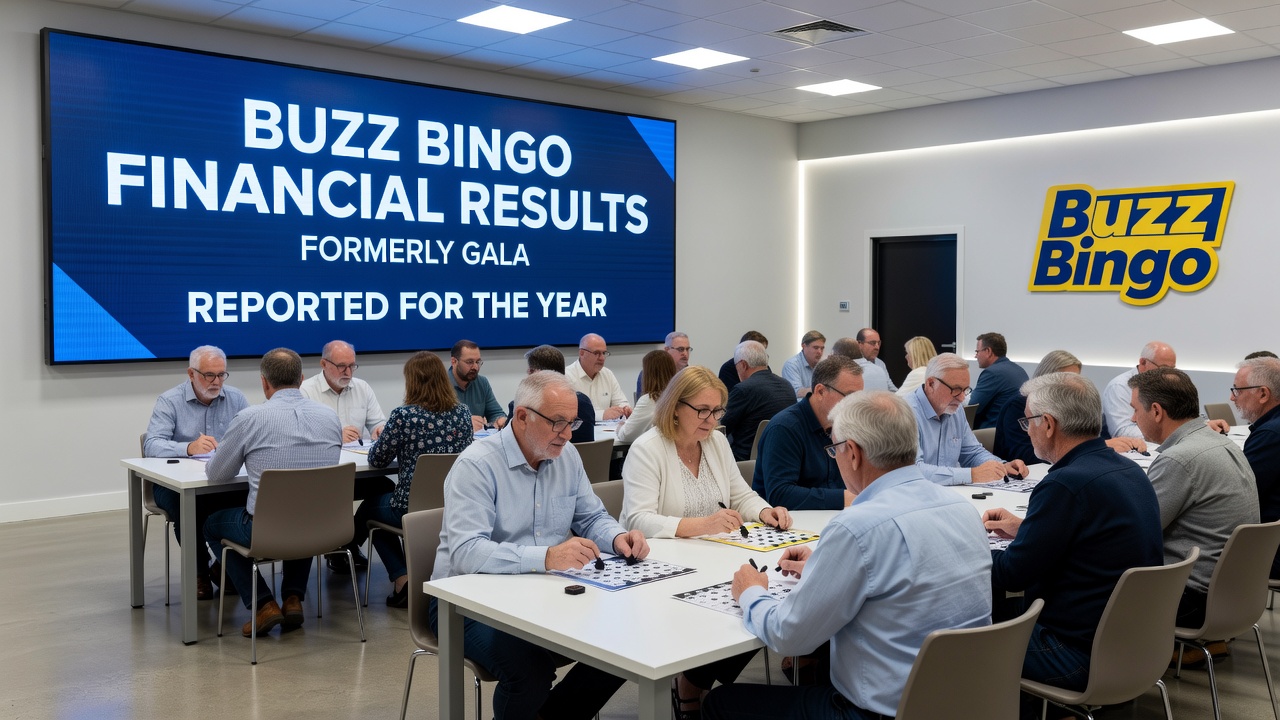
Figures for the latest financial year show Buzz Bingo achieved 11 percent revenue growth, reaching £241.4 million, alongside the addition of 190,000 new retail customers, and half of those new visitors fell under the age of 35, which points to a broadening demographic appeal in physical bingo locations. Those results demonstrate resilience in the face of broader economic pressures, yet the company and its peers continue to emphasize that future performance remains sensitive to tax policy decisions expected around the Budget announcement.
Broader Market Implications
Similar tax adjustments have been debated in other jurisdictions, and evidence from Australian state-level reviews shows that duty hikes on gaming machines can accelerate venue closures when operators cannot absorb the added costs, while Canadian provincial data reveals slower recovery in attendance after comparable increases. Industry organizations such as the European Gaming and Betting Association have published position papers outlining how duty structures influence long-term sustainability across European markets, and those documents stress the importance of balanced taxation that preserves employment in leisure venues.
Retail bingo has seen gradual modernization through digital scoreboards and hybrid events that blend in-club play with online elements, yet the core customer experience still centers on social interaction and accessible stakes, and any tax-driven reduction in machine offerings could alter that balance according to operator submissions to government consultations. The current lobbying push coincides with ongoing discussions at HM Treasury about revenue-raising measures, and multiple trade bodies have coordinated responses that include economic impact assessments showing potential job losses if duty rates rise sharply.
Employee and Operational Considerations
With more than 2,000 staff on the payroll, Buzz Bingo's operations span dozens of locations where local economies benefit from steady footfall, and any sale process will likely include commitments around employment protections as standard practice in such transactions. Oakvale Capital's mandate covers both divestment scenarios and the attraction of growth capital, which could support refurbishments or new site openings if investor interest materializes without an outright change of ownership.
Timeline and Next Steps
The review process is expected to unfold over the coming months, with potential interest from other leisure or gaming groups that have previously expressed appetite for UK bingo assets, and updates are likely to emerge once non-disclosure agreements allow broader market soundings. Meanwhile, the company continues normal trading operations while monitoring fiscal developments that could reshape the competitive landscape for all bingo operators.
Conclusion
This combination of ownership review and tax policy uncertainty places Buzz Bingo at a pivotal juncture, and the appointment of Oakvale Capital provides a structured pathway for exploring value realization or partnership opportunities while the wider sector awaits clarity on Machine Games Duty adjustments in the Budget. Data on recent customer growth and revenue gains offer a positive baseline, yet the outcome will depend on how tax changes interact with investor appetite and operational realities across the UK bingo market.